
For many homeowners, a mortgage is the largest financial commitment they’ll ever make.
Over time, however, circumstances change—interest rates shift, incomes grow or shrink, and financial goals evolve. That’s where refinancing comes in.
Refinancing your mortgage can be a powerful way to save money, lower payments, or access equity. But it’s not always the right move for everyone. Like most financial decisions, it comes with both benefits and drawbacks.
The idea of refinancing is simple: you replace your current mortgage with a new one, ideally with better terms. But the reality is more complex. Refinancing involves fees, paperwork, and potential risks, and it doesn’t always guarantee you’ll save in the long run.
Understanding the pros and cons helps you weigh whether refinancing fits your personal situation.
The good news is that refinancing isn’t a one-size-fits-all decision. With the right timing and goals, it can be a smart financial tool. But if you rush in without considering the downsides, you may end up worse off.
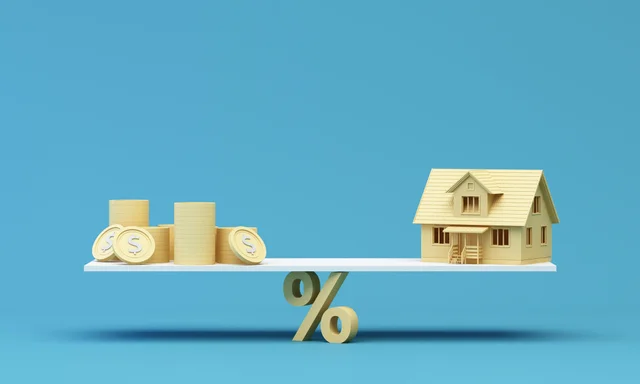
7 Pros and Cons of Refinancing Your Mortgage
Refinancing can either strengthen your financial position or create new challenges. To make the best decision, you need to consider both sides of the equation. Here are seven key pros and cons to keep in mind.
1. Pro: Lower Interest Rates Can Save You Money
One of the biggest reasons homeowners refinance is to secure a lower interest rate. Even a small reduction—say from 6% to 5%—can save thousands of dollars over the life of your loan. Lower rates mean less money spent on interest and more staying in your pocket.
In many cases, refinancing allows homeowners to reduce monthly payments as well, making the mortgage more manageable. If rates have dropped significantly since you first bought your home, this pro is hard to ignore.
Lower interest rates are the most common motivation for refinancing and can truly transform your long-term financial picture.
2. Con: Refinancing Comes With Costs
While lower interest rates sound great, refinancing isn’t free. Lenders often charge closing costs, application fees, and appraisal fees, which can add up to thousands of dollars.
If you don’t plan to stay in your home long enough to recoup those costs through savings, refinancing may not make financial sense. It’s important to calculate the break-even point—how long it will take before the savings outweigh the costs.
This con reminds you that refinancing is not automatically a money-saver. The upfront expenses must be carefully considered.
3. Pro: You Can Shorten Your Loan Term
Refinancing gives you the option to change your loan term. For example, switching from a 30-year mortgage to a 15-year mortgage allows you to pay off your home faster.
While monthly payments are usually higher with shorter terms, you’ll save big on interest in the long run. Plus, being mortgage-free sooner can create peace of mind and financial flexibility for retirement or other goals.
This pro is particularly attractive if your income has grown since you first purchased your home and you can handle larger payments comfortably.
4. Con: Monthly Payments Could Increase
Refinancing into a shorter loan term or even a loan with slightly different terms could mean higher monthly payments. For some homeowners, this is manageable, but for others, it may stretch the budget too thin.
If your income isn’t stable or you have other financial responsibilities, the risk of higher monthly payments may outweigh the long-term benefits.
This con highlights the importance of balancing short-term affordability with long-term savings.
5. Pro: Access to Home Equity
Cash-out refinancing allows homeowners to tap into their home’s equity by borrowing more than they owe and taking the difference in cash. This can be used for home improvements, debt consolidation, or major expenses.
When used wisely, accessing equity can be a strategic financial move. Home renovations, for example, may increase your property’s value, while consolidating high-interest debt could save you money.
This pro turns your home into a financial tool that can support larger goals.
6. Con: You May Reset the Clock on Your Loan
One drawback of refinancing is that it often resets your mortgage term. If you’re five or ten years into a 30-year mortgage and refinance into another 30-year loan, you’re essentially starting over.
This means paying interest for longer, which can increase the total cost of the loan, even if your monthly payments are lower.
For many homeowners, this con outweighs the benefits unless they plan to aggressively pay down the new mortgage ahead of schedule.
7. Pro: Flexibility to Change Loan Types
Refinancing also gives you the chance to switch from an adjustable-rate mortgage (ARM) to a fixed-rate mortgage. ARMs may start with lower rates but can increase over time, creating uncertainty. A fixed-rate mortgage provides stability and predictability.
On the flip side, some homeowners refinance into an ARM if they plan to sell within a few years and want to take advantage of the lower initial rates.
This flexibility is one of the key benefits of refinancing—you can choose the loan type that best fits your current and future goals.
Conclusion
Refinancing your mortgage isn’t a decision to take lightly. While the potential for lower interest rates, shorter loan terms, access to equity, and loan flexibility are strong advantages, the costs, risks of higher payments, and resetting your loan term can’t be ignored.
The key is to evaluate your personal situation carefully. Consider how long you plan to stay in your home, your financial goals, and whether the savings truly outweigh the costs. For some homeowners, refinancing is a game-changer that saves money and creates new opportunities. For others, it may be an unnecessary expense.
By weighing these seven pros and cons, you’ll be better prepared to make a decision that strengthens—not weakens—your financial future.
See more:

 7 Economic Shifts That Could Impact Your Job
  8 Steps to Use Price Comparison Tools for Everyday Shopping Savings
  9 Keys to Recognizing How New Economic Policies Affect Your Daily Commute